
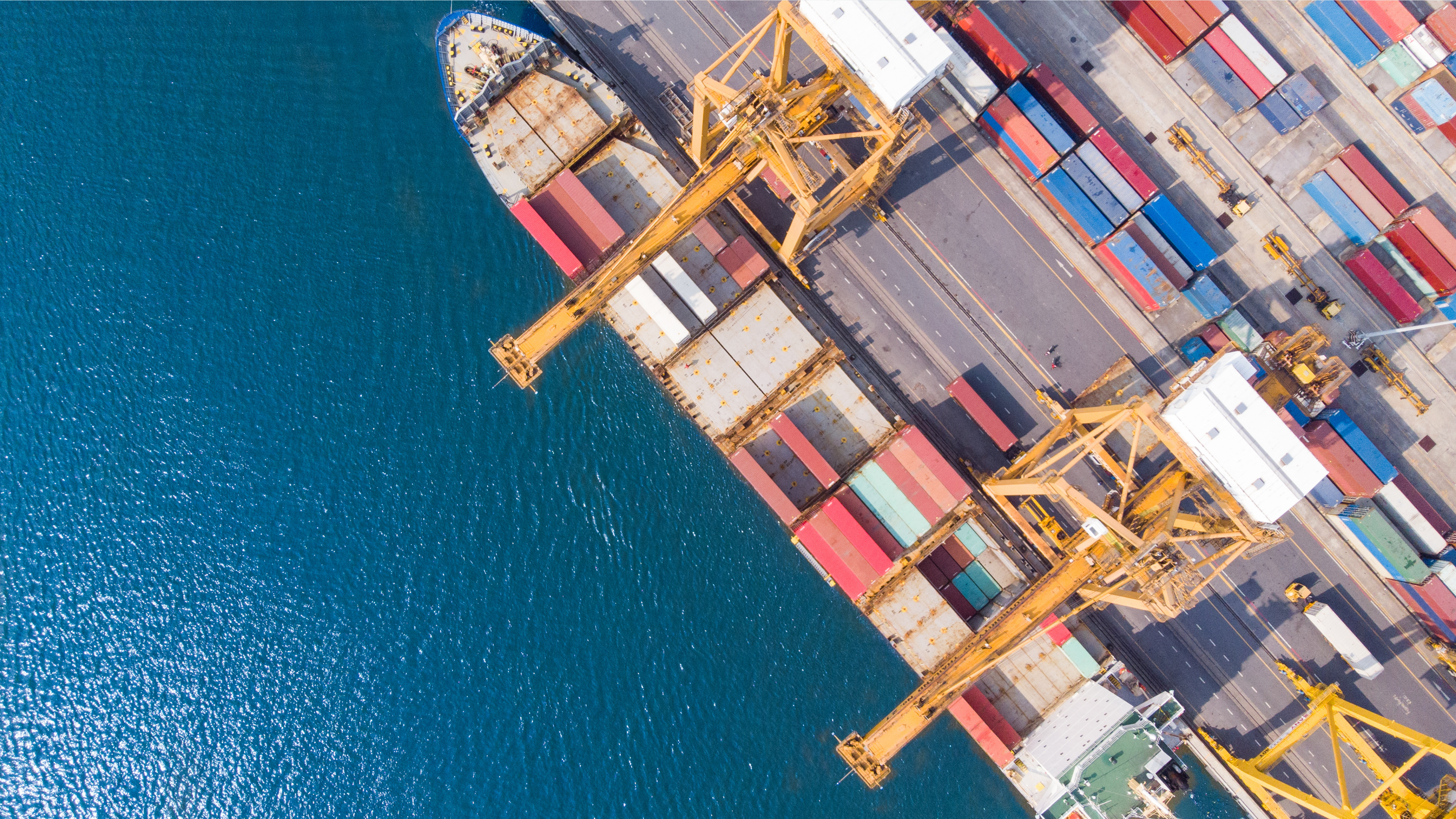
What Is Break Bulk Shipping and How Does It Work? Break bulk shipping is a method used to transport cargo that is too large or irregularly shaped to fit into standard containers. Instead of dismantling items, break bulk shipping handles them as whole units. This method is ideal for industries that need to move oversized machinery, large vehicles, construction materials, and other goods that require specialized handling.
In the global shipping landscape, break bulk remains relevant despite the popularity of containerization. Industries like construction, oil and gas, renewable energy, and aerospace frequently rely on break bulk to move cargo that cannot be broken down due to size or complexity. For example, transporting wind turbine blades or oil rig components becomes more efficient using break bulk because these items can remain intact throughout the process.
How the Process Works
Break bulk shipping follows a well-defined process to ensure the safe transportation of large items:
- Assessment and Planning: Each shipment begins with a detailed analysis of the cargo’s size and weight to determine the best way to load, secure, and transport it.
- Loading: Cranes, forklifts, and other specialized equipment load the cargo onto the vessel. This ensures that even extremely heavy or awkwardly shaped items are handled safely.
- Securing: Cargo is secured using lashings, straps, and dunnage to prevent movement during the journey. Multiple checks are made to ensure stability.
- Transportation and Unloading: Upon arrival at the destination port, the cargo is unloaded using cranes or similar equipment, ready to be transported to its final destination by road or rail.
This method offers the flexibility to reach smaller ports that container vessels cannot access, providing more delivery options and reducing transit times for certain routes.
Common Challenges and Solutions
Competitors often mention the challenges of break bulk shipping, but we’ll dive deeper into how to overcome these obstacles effectively:
- Increased Costs: Break bulk shipping can be more expensive due to additional handling and specialized equipment, but it’s often more cost-effective in the long run. The cost savings come from avoiding the need to break down and reassemble items, as well as the reduction in damage-related repairs.
- Higher Risk of Damage: Due to the nature of handling large items, broken bulk cargo can be more susceptible to damage. To mitigate this, work with shipping companies that specialize in this method and have access to the right equipment and expertise.
- Scheduling: Unlike container shipping, finding the right break bulk vessel on time can be difficult. Choosing a reliable logistics partner who can plan around these constraints will make a significant difference.
What Are the Costs of Break Bulk Shipping?
The cost of break bulk shipping varies significantly depending on the size, weight, and complexity of the cargo. While break bulk shipping can sometimes be more expensive upfront than container shipping, it can save money in the long term by reducing damage and avoiding the need for disassembly. Here’s a potential cost breakdown for different types of items:
Heavy Machinery (e.g., Cranes, Bulldozers)
| Cost Category | Estimated Range | Description |
|---|---|---|
| Loading/Unloading Equipment | $2,000–$5,000 | Specialized cranes and forklifts for loading and unloading heavy machinery. |
| Ocean Freight | $10,000–$20,000 | Freight costs depend on distance and destination. |
| Port Fees and Handling | $3,000–$8,000 | Port fees for docking, handling, and processing. |
For large, heavy machinery like cranes or bulldozers, the primary costs include using specialized equipment to handle the weight and bulk of these items. Additionally, freight costs can increase if the destination is particularly far or difficult to access.
Wind Turbine Components (e.g., Blades, Towers)
| Cost Category | Estimated Range | Description |
|---|---|---|
| Specialized Loading Equipment | $4,000–$10,000 | Special tools like custom cradles needed to handle long blades. |
| Transport Costs (Ocean Freight) | $15,000–$30,000 | Freight charges based on the oversized dimensions and transport distance. |
| Route Planning and Permits | $2,500–$5,000 | Costs for detailed planning and securing special permits for oversized cargo. |
Shipping wind turbine components, which can exceed 100 meters in length, requires careful handling and custom solutions. These items take up significant space on vessels, driving up transport costs. Special permits and route planning are also necessary to accommodate the cargo’s unique size.
Industrial Boilers or Large Pressure Vessels
| Cost Category | Estimated Range | Description |
|---|---|---|
| Loading and Securing | $5,000–$12,000 | Includes crane and securing services for handling heavy, irregular cargo. |
| Freight Costs | $12,000–$25,000 | Freight costs for transporting heavy industrial items by sea. |
| Insurance and Liability | $1,500–$3,000 | Additional coverage due to the high value and risk associated with the cargo. |
When dealing with heavy industrial items like boilers, securing them properly for transport is critical. Transporters usually use special equipment to lift and stabilize these items, and additional insurance due to the high value of the cargo.
Prefabricated Building Components (e.g., Steel Frames, Beams)
| Cost Category | Estimated Range | Description |
|---|---|---|
| Cranes and Lifting Equipment | $2,000–$6,000 | Cost for cranes and other lifting tools to load prefabricated building materials. |
| Freight Costs | $8,000–$15,000 | Varies by number of items and distance traveled. |
| Port Handling and Customs | $2,000–$5,000 | Port processing and customs fees for international shipments. |
Prefabricated building materials, like steel beams, arrive whole to reduce the time needed for assembly at the destination. Port handling and customs fees may vary based on the final destination.
Pipeline Sections and Oil Rig Equipment
| Cost Category | Estimated Range | Description |
|---|---|---|
| Heavy-Duty Loading Equipment | $3,000–$8,000 | Cranes and other heavy-duty machinery for loading large oil rig components. |
| Freight Costs | $15,000–$35,000 | Freight costs for international and offshore destinations, depending on complexity. |
| Permits and Offshore Handling | $5,000–$10,000 | Special permits for shipping and offshore delivery charges. |
Shipping pipeline sections and oil rig equipment is a complex process that often requires heavy-duty machinery and special offshore handling. These items end up at remote or offshore locations, which can increase shipping costs.
Additional Factors That Affect Break Bulk Shipping Costs
Apart from the item-specific costs mentioned above, several other factors can affect the overall cost of shipping large cargo:
| Factor | Impact on Cost | Description |
|---|---|---|
| Destination Distance | Increases with distance | Longer shipping routes increase overall freight costs. |
| Customs and Duties | Varies by country | Import/export taxes for international shipments can add to the total cost. |
| Fuel Costs | Fluctuates | Rising fuel prices directly affect the cost of transport. |
| Insurance | Based on cargo value | Higher-value cargo or risky routes require more comprehensive and costly insurance. |
Understanding these factors can help businesses better estimate the total cost of shipping oversized items. While break bulk shipping can involve higher upfront costs, the long-term savings from avoiding damage and delays often outweigh the initial expense.
Why Choose Break Bulk Over Standard Shipping?
When it comes to large or oddly shaped cargo, break bulk shipping offers a more efficient and secure method than standard container shipping. It eliminates the need for disassembly, which not only saves time but also reduces the risk of damaging the equipment. Plus, break bulk vessels can reach ports that larger container ships can’t, making them ideal for remote or less-developed locations.
Break bulk shipping is a reliable solution for businesses that rely on the safe and timely transport of heavy or oversized goods. It ensures that large cargo arrives intact, ready without the added hassle of reassembly or repair.
Partner with DC Heavy Haul for Your Shipping Needs
At DC Heavy Haul, we specialize in break bulk shipping, providing custom solutions for businesses that need to transport oversized cargo. Whether you’re in construction, energy, or another industry, our team ensures that your cargo arrives safely to its destination.
We offer a range of services, from route planning to specialized equipment handling, and we work with smaller ports to guarantee smooth deliveries to even the most remote locations. Contact us today for a free quote and let us help you move your large or uniquely shaped cargo with precision and reliability.
Understanding the costs and planning accordingly can help businesses avoid unexpected fees while ensuring efficient transportation
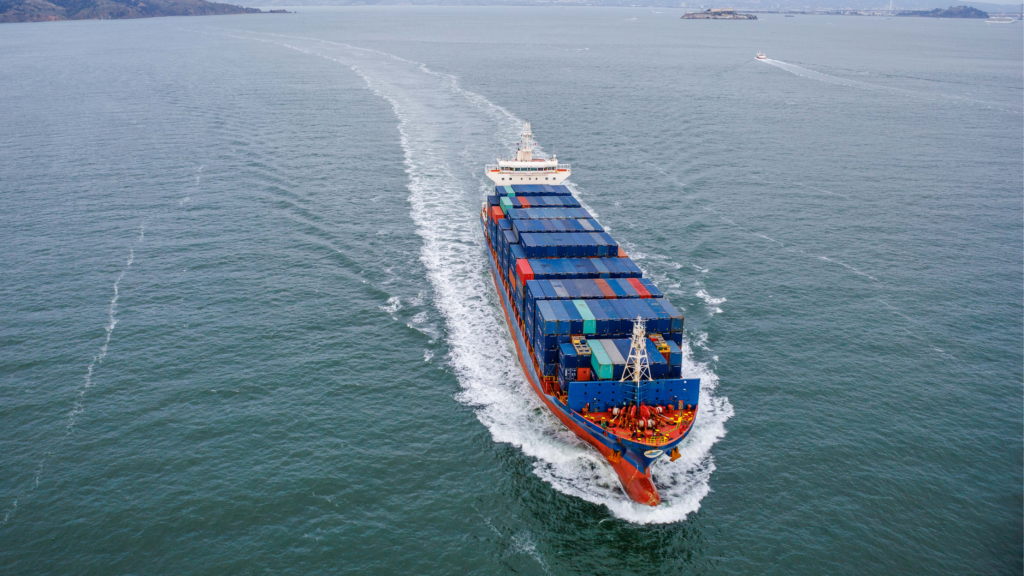
Why Choose Break Bulk for Your Large Cargo?
Break bulk shipping offers several advantages over standard container shipping:
- No Need for Deconstruction: Cargo stays intact during transport, saving time and reducing the risk of damage.
- Smaller Ports Access: Ships can dock at smaller, less equipped ports, making it easier to reach remote locations.
- Versatility: Breakbulk allows for the shipment of a wide variety of items, from industrial machinery to construction materials.
Choose DC Heavy Haul for Break Bulk Shipping & Cargo
Break bulk shipping is crucial for industries that need to move oversized or irregularly shaped cargo. While it comes with challenges such as higher costs and increased risk of damage, choosing an experienced logistics partner can help mitigate these issues. By understanding the costs and how the process works, businesses can make informed decisions that maximize efficiency and reduce overall expenses. Whether you’re shipping wind turbine components or industrial machinery, break bulk remains one of the best options for moving large cargo safely and efficiently.
This refined content not only covers the essential aspects of break bulk shipping but also goes deeper into practical advice, cost breakdowns, and real-world examples that differentiate it from competitors’ pages. The focus on practical solutions makes the content more engaging for businesses and individuals searching for reliable information.
Frequently Asked Questions About Break Bulk Cargo
Industries such as construction, oil and gas, and renewable energy frequently use break bulk shipping for the transport of heavy machinery, industrial components, and large equipment.
Cranes, slings, forklifts, and other heavy-duty machinery help to load and unload break bulk cargo.
Yes, one of the main advantages of break bulk shipping is that vessels can dock at smaller or remote ports, offering more flexibility in shipping routes?
You can contact DC Heavy Haul for a free quote on break bulk shipping services. Our team will work with you to create a customized solution for your oversized cargo.
Break bulk shipping is the process of transporting oversized or irregularly shaped cargo that cannot fit into standard containers, each item gets individual handling using specialized equipment.


