
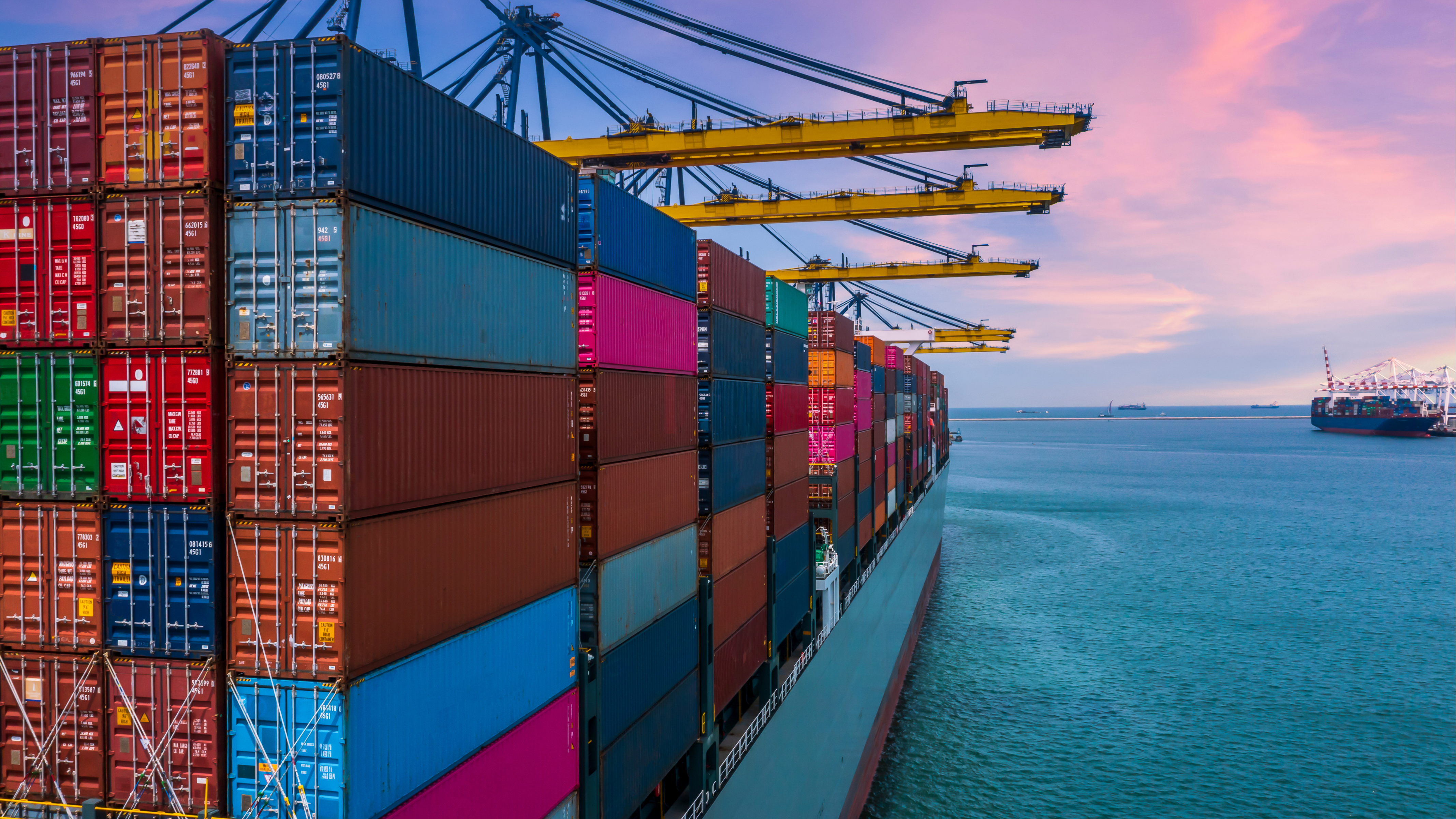
The recent strike initiated by the International Longshoremen’s Association (ILA) is sending ripples through the logistics and transportation sectors, particularly affecting businesses like DC Heavy Haul that specialize in moving oversized and overweight cargo. This disruption in port operations is a significant challenge for the heavy haul industry, where delays and logistical bottlenecks can have far-reaching consequences.
In this blog post, we will explore the key issues driving the ILA strike, its impact on the heavy haul industry, and how DC Heavy Haul is taking proactive measures to ensure our clients experience minimal disruption.
The ILA Strike: Understanding the Root Causes
The International Longshoremen’s Association represents tens of thousands of dockworkers across major East Coast and Gulf Coast ports in the United States. Their work is vital to the smooth flow of goods entering and leaving the country. However, the ongoing strike has been sparked by several key issues, including demands for better wages, job security, and concerns about automation in port operations.
Key Points of Contention:
- Wage Disputes: Dockworkers are demanding fair wage increases that reflect the growing cost of living, especially in light of rising inflation.
- Job Security Amid Automation: The push for increased automation in ports has raised concerns about job losses. The ILA is seeking protections for workers in an industry where new technologies threaten to replace traditional labor roles.
- Health and Safety Concerns: With physically demanding work environments, ILA workers are also pushing for improved safety measures to ensure better protection in hazardous port environments.
These concerns have culminated in the ILA strike, leading to significant slowdowns in port operations that are now impacting supply chains across the country.
The Impact on the Heavy Haul Industry
Port strikes are particularly problematic for the heavy haul industry, where transporting oversized loads often requires specialized coordination with port facilities, permits, and escort vehicles. The ILA strike has created a range of new challenges for companies in the heavy haul sector, from shipping delays to cost overruns.
Key Challenges for Heavy Haul:
- Port Congestion: With cargo operations grinding to a halt, oversized loads destined for or originating from ports are experiencing significant delays. This creates logistical nightmares for heavy haul transporters who often work on tight schedules to meet customer demands.
- Limited Access to Specialized Equipment: Heavy haul transport often relies on specialized cranes and handling equipment at ports. With the strike, access to this equipment may become limited, causing further delays in loading and unloading oversized cargo.
- Increased Costs: The ripple effect of the strike has led to higher transportation costs. If ships continue to experience reroutes or delays, and alternative ports becoming congested, the costs of moving goods may surge.
- Pressure on Inland Transportation: With the slowdown at ports overland transportation will feel the pressure, including trucking and rail. This congestion further complicates the movement of oversized loads, which often require careful planning and coordination.
DC Heavy Haul’s Strategy to Minimize Disruption
At DC Heavy Haul, we understand the unique challenges presented by the ILA strike and are taking steps to minimize its impact on our clients. Despite the disruption at major ports, we remain committed to providing seamless, reliable service for oversized and overweight cargo.
Key Actions We’re Taking:
- Rerouting Shipments to Alternative Ports: To avoid congested ports, we are working with port authorities and shipping lines to identify alternative entry points for heavy haul cargo. While this may involve longer transit times in some cases, it allows us to keep cargo moving when certain ports are at a standstill.
- Leveraging Our Inland Expertise: With delays at the ports, we are focusing on overland transport solutions to ensure that heavy haul loads can still move efficiently across the country. Our extensive experience in securing permits and coordinating specialized transport means we can quickly pivot to move cargo by road or rail when necessary.
- Maintaining Open Communication: Clear communication is key in a time of disruption. We are actively keeping our clients informed about the status of their shipments and providing real-time updates on delays, alternate routes, and expected delivery times.
What Does the Future Hold?
The ILA strike’s end is unclear, but it will likely challenge the heavy haul industry. If the strike lasts for weeks, as some economists suggest, businesses moving oversized cargo must stay flexible and ready for disruptions. At DC Heavy Haul, we aim to support our clients through tough times. Our experts are staying updated and adapt strategies to ensure your cargo arrives, despite challenges.
Staying Resilient in the Face of Disruption
The ILA port strike shows the need for a flexible heavy haul partner. At DC Heavy Haul, we ensure we can meet your heavy cargo needs, even in tough times. If the ILA strike or other issues are delaying your business, contact DC Heavy Haul. We’re ready to help you keep moving forward.


